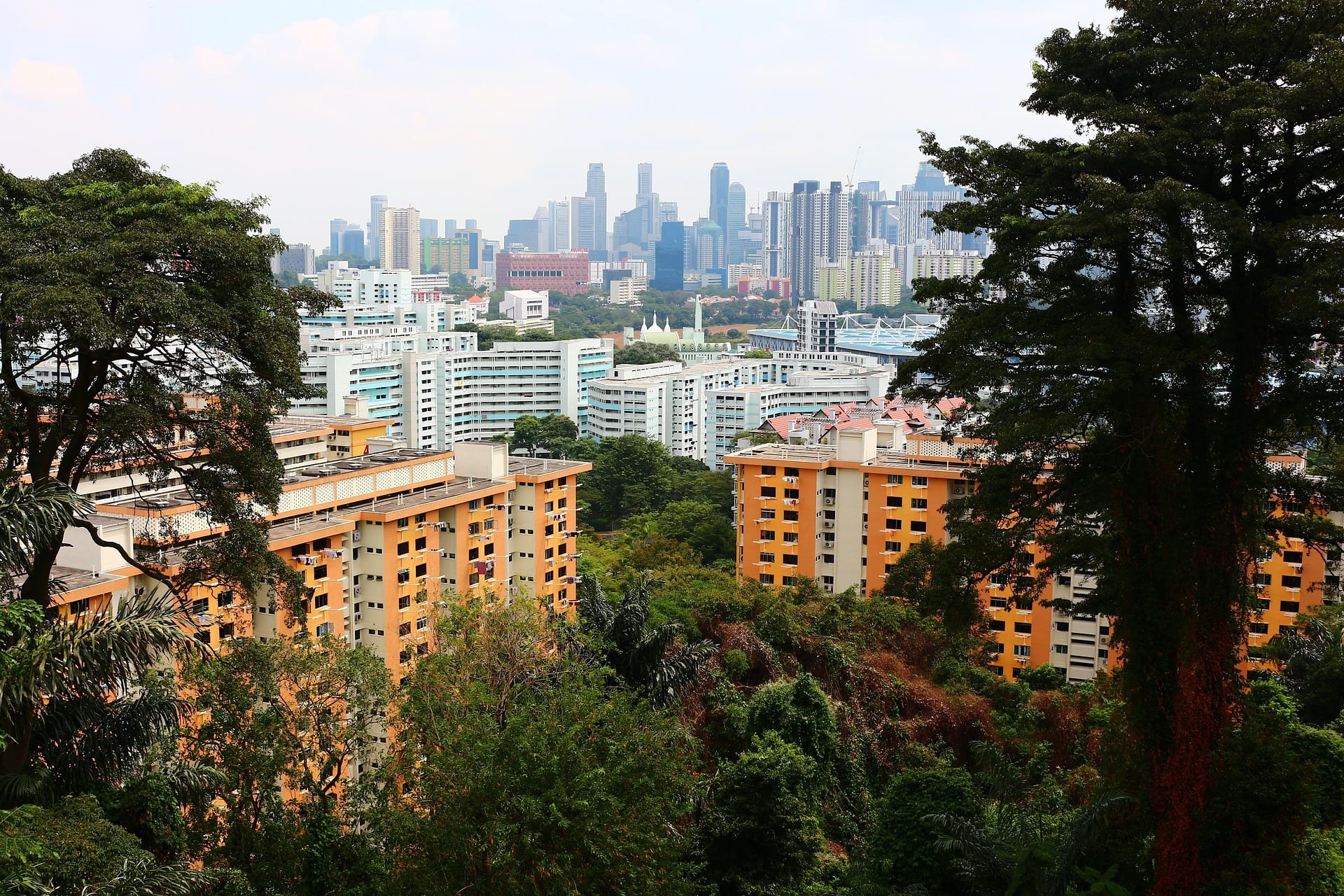
The HDB Resale Price Index dipped 0.1% in Q1 2026 — the first quarterly decline since 2019. But the headline is misleading on its own. National prices barely moved. What actually shifted is the negotiation power in the room. Sellers are taking longer to sell. Cash Over Valuation gaps are narrowing. Buyers are quietly winning back leverage for the first time in seven years.
At the same time, 412 HDB flats sold for over $1 million in the same quarter — a record. So no, the market isn't crashing. It's bifurcating. Whether this moment helps or hurts depends entirely on which side of that split a buyer or seller sits on.
The next 1,500 words explain why.
The 5 numbers that matter
Before we get to interpretation, here are the figures every Singapore buyer and seller should know going into Q2 2026:
- HDB Resale Price Index: 203.4, down 0.1% from Q4 2025. First quarterly decline since 2Q2019.
- 6,285 resale transactions in Q1 2026, up 19.6% from Q4 2025, but down 4.6% from Q1 2025.
- 412 million-dollar HDB transactions in Q1 2026, a record, up from 350 in Q4 2025.
- 13,500 flats will reach their 5-year Minimum Occupation Period (MOP) in 2026, nearly double the roughly 7,000 in 2025.
- Roughly 70% of those MOP flats sit in popular towns like Punggol, Tampines, Toa Payoh, and Queenstown.
That last number is the one most buyers underestimate. The supply surge isn't evenly distributed. It's concentrated exactly where demand has been hottest.
Why this matters now
For 22 consecutive quarters — the longest streak on record — HDB resale prices climbed. Through cooling measures, through interest rate hikes, through three rounds of ABSD adjustments. Buyers got used to one rule: if you waited, prices went up.
That rule just broke.
The 0.1% dip is small in isolation, but it's the direction that's significant. It signals that the supply side of the equation has finally caught up to demand, and the catalyst is structural rather than cyclical. A wave of pandemic-era BTO completions is reaching MOP at the same time the BTO pipeline is being expanded.
The government has been telegraphing this. HDB is targeting 55,000 new flats between 2025 and 2027, with Sale of Balance Flats (SBF) and Shorter-Waiting-Time (SWT) flats now being layered into the calendar. The result: buyers who previously felt forced into the resale market because they couldn't wait now have alternatives.
What this means in plain language: the urgency that drove the 2020 to 2024 resale market has been deliberately defused. And that changes the negotiating dynamic in every viewing, every offer, every counter.
The bifurcation: where prices fell, and where they didn't
The national 0.1% dip is an average. Averages always hide more than they reveal. Here's the actual pattern.
Where prices softened
Newer non-mature estates with substantial MOP supply coming online — Punggol, Sengkang, Tengah — are where buyer leverage is most visible. Sellers in these areas are taking longer than the usual six to eight weeks to close. COV expectations are coming down. Multiple listings on the same block, sometimes the same floor, mean buyers can comparison-shop in a way that wasn't possible 18 months ago.
Where prices held, or rose
Mature estate flats with strong fundamentals are still moving at premium prices. The 412 million-dollar transactions in Q1 2026 weren't random. At least 63 of them involved units that had only just hit MOP, with remaining leases of 94 years or more. The pattern repeats: Bishan, Toa Payoh, Queenstown, Bukit Merah. The locations with limited resale supply, mature amenities, and school catchment appeal.
In other words: the dip is happening where supply is loosening, not where demand is structurally tight.
A national average of -0.1% can coexist with a Queenstown five-room selling for $1.4 million in the same quarter. Both are true. Neither is the whole story.
The takeaway from the split
Buyers in areas with heavy new MOP supply have seen the market shift in their favour. Buyers in tight mature estates have seen very little change — except that competing buyers may think the market has shifted, which can actually work against them if they assume sellers will accept softer offers they have no reason to accept.
What this means by buyer profile
This is where the data starts to matter for actual decisions. The Q1 2026 numbers hit each segment of the market differently. Here's how to read them for each.
For first-time HDB resale buyers
This is the most genuinely buyer-friendly moment for HDB resale in seven years. Concretely:
- COV is coming down. During the peak years, $30,000 to $50,000 in pure cash on top of valuation was routine. That premium is shrinking in non-mature estates and softening even in some mature ones. That money stays in your pocket and funds your renovation without a personal loan.
- There's time to think. The pressure to commit on first viewing is gone. Walk away, sleep on it, view three more. The seller who was untouchable in 2023 is now waiting for the buyer to come back.
- But don't wait for a crash. A 0.1% dip is not a downtrend, and the supply surge is largely a 2026 to 2027 phenomenon. By 2028 the MOP wave normalises again. The "wait six more months for prices to fall further" play has cost more first-time buyers than any other single mistake over the last decade.
The right move: secure the HDB Flat Eligibility (HFE) letter, identify the 2026 MOP estates that match your lifestyle, and start viewing seriously. The window of buyer leverage is real but won't last forever.
For HDB sellers
The bargaining chips have shifted. Sellers who priced their flats based on what a neighbour got 18 months ago are sitting on listings. Three honest adjustments:
- Recalibrate to recent transactions, not headline records. Check the last 30 days, not the last 12 months. The price a neighbour got in late 2024 isn't the benchmark anymore.
- Expect longer time-on-market. Six to eight weeks was the old norm. Budget for 10 to 14 in current conditions. This matters most for sellers sequenced into a purchase (see the upgrader section below).
- The exception is million-dollar territory. Flats that genuinely qualify (mature estate, high floor, freshly MOP, long remaining lease) still have buyers ready to move. No need to undersell out of panic.
For HDB upgraders
This is the segment that needs to think hardest about Q1 2026, because the data cuts both ways.
The bad news: your HDB flat will likely take longer to sell, and may fetch slightly less than your initial expectation. This compresses the cash brought to a private purchase.
The good news: the OCR private market is also moderating (a separate Market Report covers this), and the supply crunch of 2026 new launches means developers are competing harder for upgrader interest, often through more flexible payment structures.
The practical move: secure the In-Principle Approval (IPA) and start the private property shortlist BEFORE listing the HDB flat. The 2026 credit environment is materially more stringent than even 18 months ago, and timeline mismatches between flat sale and private purchase carry real ABSD exposure (20% on a $1.5M condo is $300,000 — a number worth sequencing carefully around).
For investors
The Q1 2026 HDB picture changes very little for investors directly. HDB resale is structurally an owner-occupier market, not an investor market, given the MOP and rental restrictions. But the signal matters: if HDB resale has softened, expect ripple effects through the lower-end OCR private market over the next two to three quarters. This may create entry opportunities in mass-market condos that didn't exist in 2023 to 2024.
How we'd approach this at ProjectHome.sg
The honest framing we use with clients in May 2026: this isn't a market correction, it's a market normalisation. Real estate cycles aren't always dramatic. Sometimes they just stop being abnormal. The 22-quarter streak was abnormal. What's happening now is a return to something closer to historical pattern, where supply and demand actually negotiate with each other.
Three principles we'd lean on right now:
First, don't time the market. Sequence your life. If a household is ready (income stable, downpayment safe, plan clear), Q2 to Q3 2026 is a reasonable window to act in. If a household isn't ready, no market dip will rescue a fragile financial position.
Second, ignore the national average. Look at the specific shortlist. A 0.1% dip nationally means almost nothing for a specific 4-room in Toa Payoh. Pull the actual transactions for the actual estate. We do this for clients as standard, and we recommend buyers do it themselves with HDB's resale portal even before talking to an agent.
Third, this is a moment to be selective, not aggressive. The buyer leverage that has returned is real but moderate. The right response is patience and pickiness, not lowballing every seller in sight, which damages credibility with agents and gets buyers blacklisted from the better listings.
Looking ahead: what we're watching for Q2 to Q3 2026
Three indicators that will tell us whether this is a one-quarter pause or the start of a longer trend:
- Whether the Q2 RPI confirms the dip or reverses it. A single quarter doesn't make a trend. The Q2 release (due late July) will clarify.
- June 2026 BTO launch take-up. A strong showing, particularly for the Greater Southern Waterfront precinct, would reinforce that buyer urgency has shifted away from resale.
- Million-dollar transaction share. If it climbs above 8% of total transactions while the index continues to soften, the bifurcation is hardening, and prime mature estates will continue to defy the national trend.
We'll cover each as they come.
The bottom line
The first HDB resale price dip in seven years is real, modest, and important — but only if read correctly. It signals returning buyer leverage in supply-heavy estates, continued strength in prime mature locations, and a market shifting from "buy now before it rises further" to "buy when your situation is ready."
For most buyers, that shift is good news. The pressure has come down. The choices have widened. The negotiation table has finally rebalanced.
What it doesn't mean is that prices will crash, that anyone should wait indefinitely, or that one national average tells you anything specific about the flat you actually want.
The right move depends on which side of the bifurcation you're on. That's worth a proper conversation, not a guess.
WhatsApp us at ProjectHome.sg. We'll pull the recent transactions for your shortlist estate, run your IPA-ready numbers, and tell you honestly whether now is your moment or whether the wait still makes sense. No first-call sales — just clarity.
Chat on WhatsApp Send Email EnquiryNot ready yet? Subscribe to our monthly Market Pulse newsletter. One well-researched email a month explaining what's actually moving in Singapore property, and what it means for the decision in front of you.
Sources: HDB Q1 2026 RPI release (23 April 2026), EdgeProp Singapore, Stacked Homes, OrangeTee/Realion research, Huttons research commentary.
Clarity, Direction, Your New Home.